
Center for One Health and Zoonotic Diseases (COHAZD) Showcases African Evidence at ISSAD 2026 in Nairobi, Kenya
by Peace Oregbesan
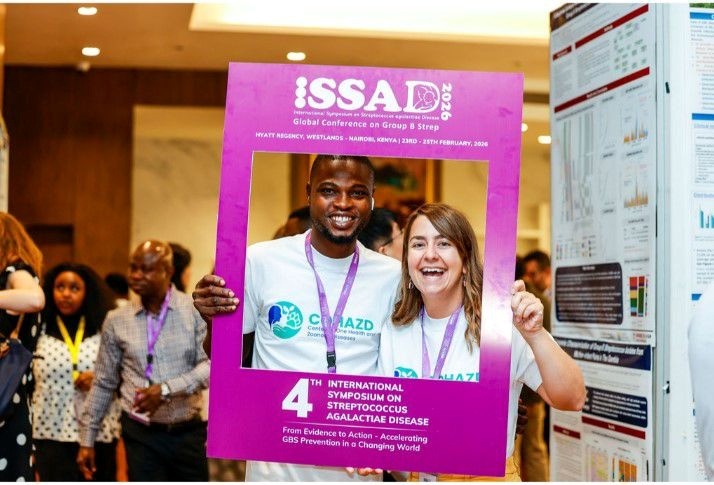
During the symposium, Opeyemi presented a poster titled“Global and Regional Serotype Distribution of Streptococcus agalactiae in Pregnant Women and Neonates: Implications for Maternal Vaccine Coverage in Africa”, contributing to ongoing discussions on how evidence can better inform maternal immunization strategies, particularly in African contexts where data remains essential for shaping effective prevention approaches.
Guided by the theme “From Evidence to Action – Accelerating GBS Prevention in a Changing World,” the symposium, hosted by KEMRI-LSTM Kenya, created space for conversations that moved beyond research findings to focus on practical solutions that improve outcomes for mothers and newborns.
Across three days, the symposium followed a clear trajectory, starting with a close look at the global GBS burden and ending with conversations on implementation and advocacy. The opening day explored disease surveillance, epidemiology, and the scientific challenges of measuring harder-to-track outcomes. These discussions highlighted the importance of strengthening data systems to better understand the scale and impact of GBS infections worldwide.
Poster sessions and breakout discussions created opportunities for more interactive engagement, covering areas such as genomics, microbiology, and surveillance.
The second day shifted toward innovation and solutions. Plenary sessions on vaccine development, policy, and evaluation examined how maternal immunization strategies are evolving, while discussions on implementation science and health systems explored ways to integrate new evidence into real-world programmes.
On the final day, the focus moved toward implementation and impact, including conversations on prevention policies, the broader GBS landscape, and the role of advocacy in amplifying parent voices. These sessions underscored the growing recognition that effective prevention requires collaboration across disciplines, from laboratory research to community engagement.
For COHAZD, participation in spaces like ISSAD reflects our ongoing commitment to ensuring that African research and experiences are part of shaping global health priorities. Opeyemi’s poster presentation contributed to discussions around how serotype distribution influences vaccine design and coverage strategies, a reminder that global solutions must be informed by diverse data sources.
Beyond presenting findings, the symposium created opportunities for knowledge exchange with researchers and practitioners from different parts of the world. Informal discussions during poster sessions and networking engagements allowed participants to reflect on shared challenges, from data gaps to implementation barriers, and explore areas for future collaboration.
These interactions also highlighted the growing recognition of African-led research in informing global prevention strategies, reinforcing the value of continued investment in regional evidence generation.
Participation in ISSAD 2026 marks another step forward in our efforts to remain actively engaged in global health dialogue while advancing locally grounded solutions. By contributing research, building partnerships, and learning from diverse perspectives, the center continues to position itself at the forefront of conversations on infectious disease prevention and maternal health.
Reflecting on the experience, Opeyemi described ISSAD 2026 as both insightful and inspiring, a space where scientific learning and collaboration came together to drive meaningful conversations about prevention.
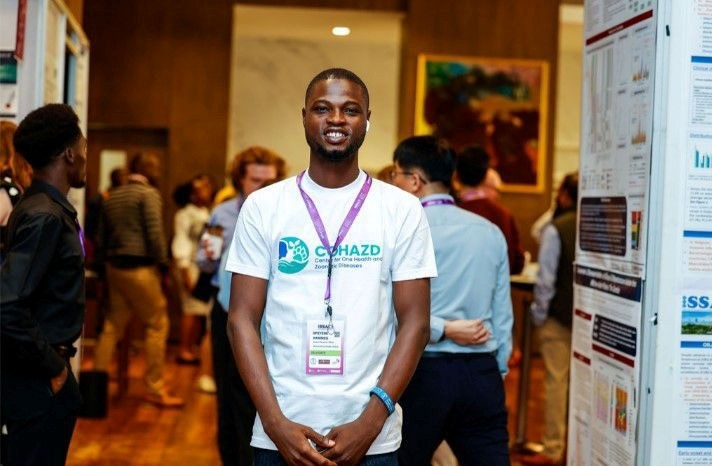
As we continue our work at the intersection of One Health and infectious disease prevention, experiences like ISSAD 2026 highlight the value of connecting local research with global dialogue, ensuring that knowledge gained from international platforms translates into meaningful impact within communities.