
October 3, 2025
How to Recognize the Early Signs of Anxiety and Depression
- Esther Aje, srhin
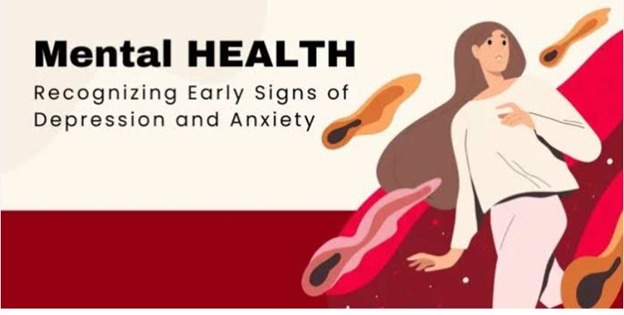
Last month, Amina, a bright 22-year-old student from a rural community, began missing her classes. At first, her friends thought she was simply tired from long hours of study. But soon, she stopped joining group discussions, lost interest in cooking, something she loved and spent most of her time lying in bed. When asked, she said quietly, “I just don’t see the point anymore.”
This is not just Amina’s story, it is the reality for millions of people across the world, especially in slum and rural areas where conversations about mental health are rare and support systems are limited. Anxiety and depression do not announce themselves loudly; they creep in quietly, often masked as fatigue, moodiness, or stress. By the time people notice, the struggle may already feel overwhelming.
That’s why recognizing the early warning signs matters and that’s why the Brave Heart Project believe that the sooner communities notice and respond, the more lives can be saved. Here’s how to tell when normal stress crosses into something more serious;
1. Persistent Sadness or Hopelessness
We all feel sad at times. But when sadness lingers for weeks, when joy feels out of reach, and when someone starts saying things like “nothing will ever change” or “I feel empty inside,” these are not just passing emotions they may signal depression.
2. Constant Worry and Restlessness
Anxiety often feels like living with a racing mind. The person may worry about things that others find small, feel restless, or struggle to focus. At night, they may lie awake, thoughts looping endlessly. For example, a mother in a rural community may constantly fear something bad will happen to her children, even when they are safe. While worry is natural, if it becomes uncontrollable, it could be anxiety.
3. Physical Changes in the Body
Mental health affects the body. Watch out for:
- Trouble sleeping (either insomnia or oversleeping)
- Low energy or constant fatigue
- Headaches, stomach aches, or unexplained body pain
4. Withdrawal from Others
Depression and anxiety often cause people to isolate themselves. They may stop attending social gatherings, skip school or work, or avoid talking to family and friends.
5. Changes in Appetite and Weight
Sudden changes in eating habits can be another red flag. Depression may cause someone to lose interest in food, while anxiety may lead to overeating as a form of comfort.
6. Irritability or Anger
Not everyone with depression appears sad. Some express it through frustration, short tempers, or frequent arguments. Anxiety may also make someone quick to snap, overwhelmed by even small stressors. For example, a father who suddenly becomes angry at his children for small mistakes may actually be struggling with hidden anxiety or depression. Recognizing the root can change how the family supports him.
7. Thoughts of Self-Harm or Hopelessness about Life
This is the most urgent sign. If someone talks about wanting to disappear, feeling like a burden, or ending their life, it must be taken seriously. These words are not “attention-seeking” they are cries for help.
What Can We Do as Families and Communities?
- 1. Listen without judgment
- sometimes the greatest help is simply being there. When someone shares their pain, avoid dismissing it with phrases like “be strong” or “pray harder.” Instead, offer empathy: “I hear you. You’re not alone.”
- 2. Encourage professional help
- Even in rural areas, health workers or counselors can provide support. Where these are unavailable, connecting with NGOs or community programs may open doors to help.
- 3. Practice small steps of self-care
- Encourage healthy sleep, exercise, journaling, prayer or meditation, and reduced alcohol or drug use. Small habits can ease symptoms and build resilience.
Why Early Recognition Matters
Anxiety and depression are treatable, but they often remain hidden until too late. By noticing the early signs, families, teachers, and community leaders can step in before the burden grows heavier. Just as we respond quickly to fever or cough, we must also act when mental health symptoms appear.
Final Thought
Amina’s story reminds us that mental health struggles are not distant or abstract, they live in our neighborhoods, our families, and sometimes, within ourselves. Recognizing the early signs of anxiety and depression is not only about saving lives, it’s about restoring hope, dignity, and connection.
Because the earlier we notice, the sooner healing can begin.