
November 27, 2025
Mental Health in the Age of Technology: Apps, Therapy, and Online Support
- Peace Oregbesan, srhin
In today’s digitally connected world, technology is reshaping how we approach mental health. From mindfulness apps to virtual therapy and AI-powered chatbots, digital tools are making mental wellness more accessible, inclusive, and effective. At Slum and Rural Health Initaitive, we’re leveraging these innovations to break down barriers and support people in the languages they speak every day.
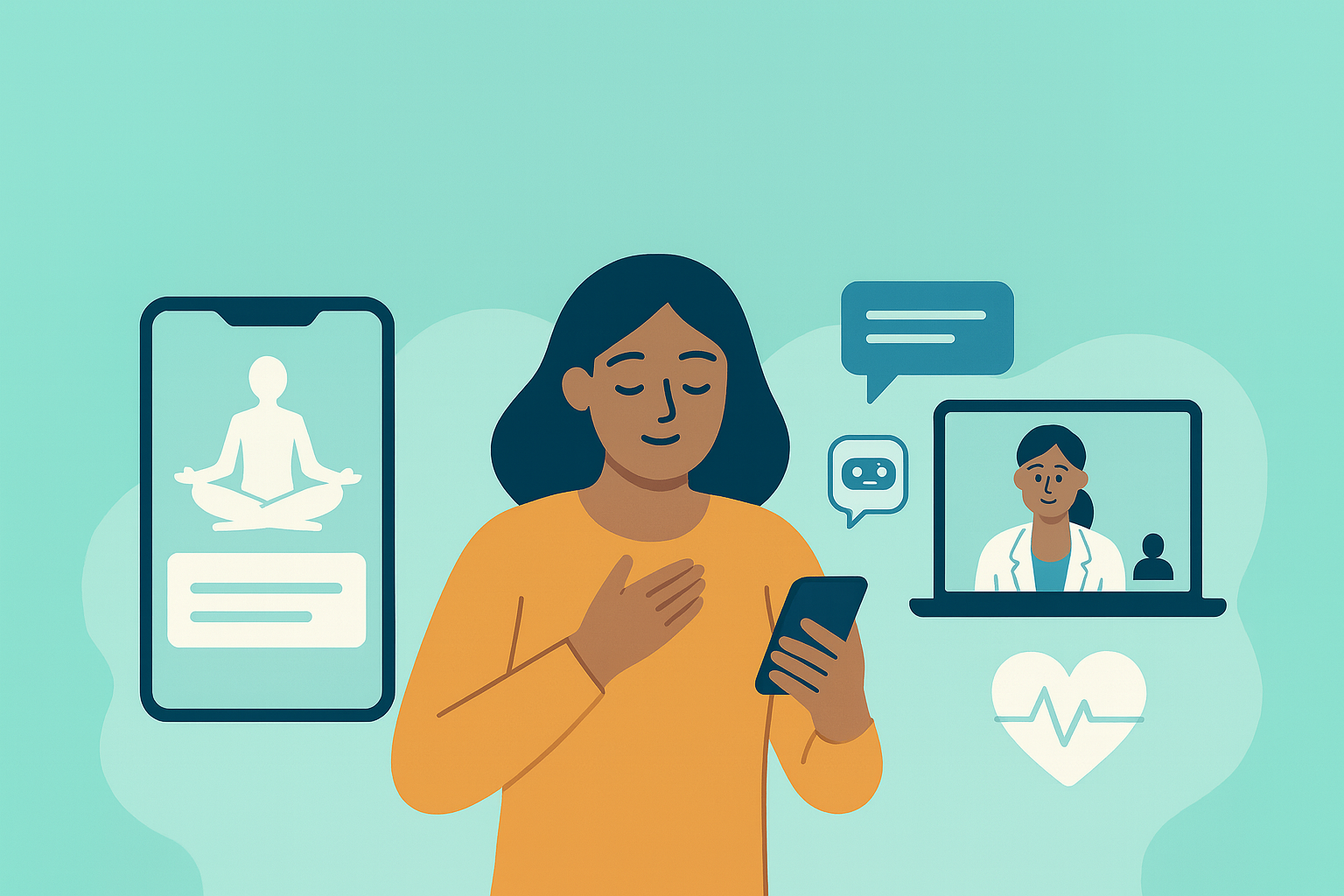
The Rise of Mental Health Apps
Smartphone apps are revolutionizing mental health care. Apps like Calm and Headspace provide guided meditations, mood tracking, and stress-relief exercises. They help users:
- Monitor moods and emotional patterns
- Learn coping strategies for anxiety, depression, and stress
- Practice mindfulness and self-care anywhere, anytime
While these apps are valuable, their true potential lies in personalizing support and reaching communities without easy access to therapists.
Online Therapy and Telehealth
Virtual therapy has grown rapidly, especially after the COVID-19 pandemic. Online counseling offers:
- Flexibility to attend sessions from home
- Access to licensed mental health professionals regardless of location
- Group workshops and webinars that educate and support large audiences
Telehealth removes geographical and social barriers, making therapy more attainable for everyone.
AI Chatbots: Mental Health in Your Language
At the Slum and Rural Health Initiative, we’re developing AI chatbots capable of communicating in local dialects like Pidgin, Hausa, Yoruba, and more. These chatbots provide:
- Immediate emotional support during stressful moments
- Guidance on coping techniques and self-care practices
- Connections to professional help when needed
- Culturally sensitive conversations to reduce stigma
By speaking users’ languages, our chatbots make mental health support relatable, comfortable, and accessible.
Benefits of Technology in Mental Health
Technology enhances mental wellness by:
- Increasing Accessibility : Reaching remote and underserved communities
- Providing Anonymity : Allowing users to seek help without fear of judgment
- Offering Immediate Support : Being available 24/7
- Cultural Relevance : Communicating in familiar languages and contexts
Challenges to Address
While promising, digital mental health tools have challenges:
- Privacy and Security : Protecting sensitive personal information
- Quality of Support : AI tools are complementary, not replacements for professional care
- Digital Divide : Ensuring accessibility for those with limited internet or devices
We address these challenges by prioritizing security, collaborating with mental health experts, and designing lightweight tools suitable for low-bandwidth areas.
Looking Ahead
The future of mental health is digital, human-centered, and inclusive. By combining technology with cultural sensitivity and professional oversight, we can provide meaningful support to communities everywhere. At SRHIN, our apps, online therapy initiatives, and local-language chatbots are helping make mental health care accessible to everyone, because emotional well-being should never be limited by language, location, or stigma.