
February 24, 2026
SRHIN Expands HIV Prevention Education Across Communities, IDP Settings, and University Campuses Through the Collaborate to Eliminate Project
- Oregbesan Peace, SRHIN
The Slum and Rural Health Initiative (SRHIN), through the Collaborate to Eliminate project, continues to strengthen community-driven HIV prevention education across diverse populations in Nigeria. Over the past week, our team successfully implemented three targeted education sessions in Oyo State, Abuja, and Edo State, reaching pregnant women and young people with practical knowledge on HIV prevention and available tools such as pre-exposure prophylaxis (PrEP) and post-exposure prophylaxis (PEP).
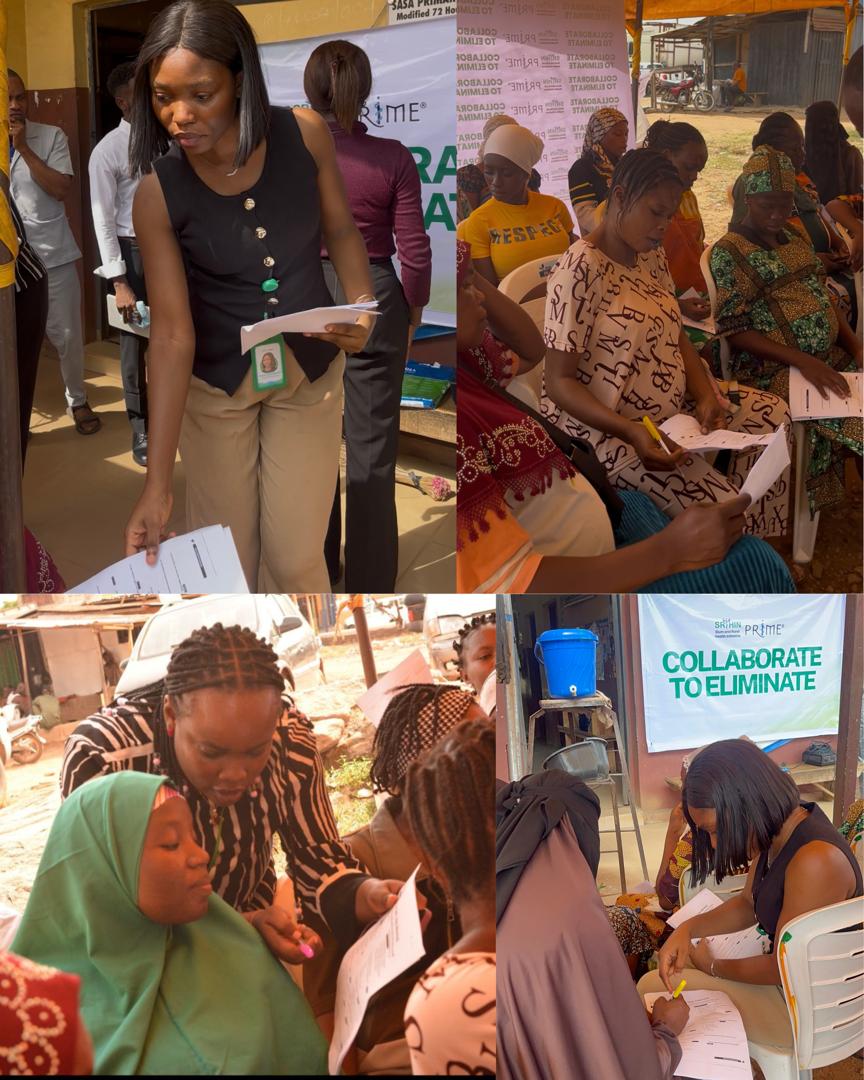
The first session took place at Sasa Primary Health Centre in Ibadan, Oyo State, where pregnant women participated in an interactive community education engagement. The session began with a baseline assessment to understand participants’ existing knowledge of HIV prevention. Facilitated by Dr. Babatunde, discussions focused on prevention strategies, common misconceptions, and the importance of early HIV testing during pregnancy to reduce risks to both mothers and unborn babies. An endline assessment conducted after the session demonstrated improved awareness and confidence among participants.
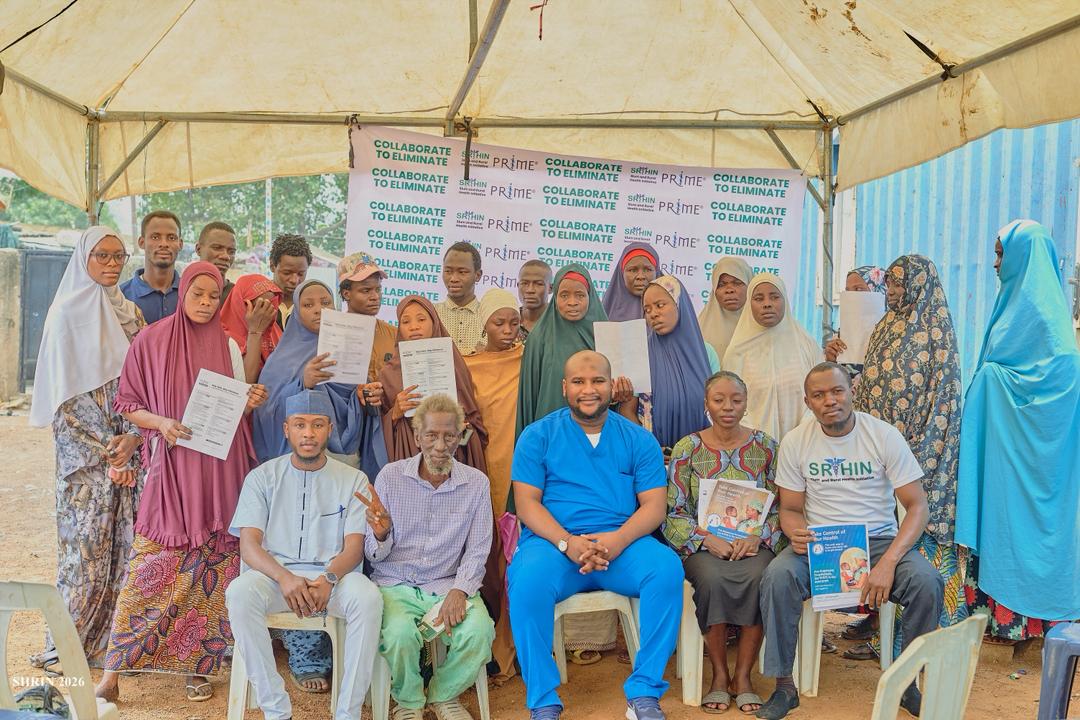
Building on this momentum, SRHIN’s Abuja team led the second outreach at the Durumi Internally Displaced Persons (IDP) Camp. Recognising the unique vulnerabilities faced by displaced communities, the session created a supportive space to learn about HIV prevention options in a culturally responsive setting. Facilitated by Dr. Abdullahi Ahmad, the engagement addressed myths surrounding PrEP and PEP while encouraging informed decision-making around testing and prevention. The baseline and endline assessments highlighted encouraging shifts in understanding, reinforcing the importance of locally led, community-based education.
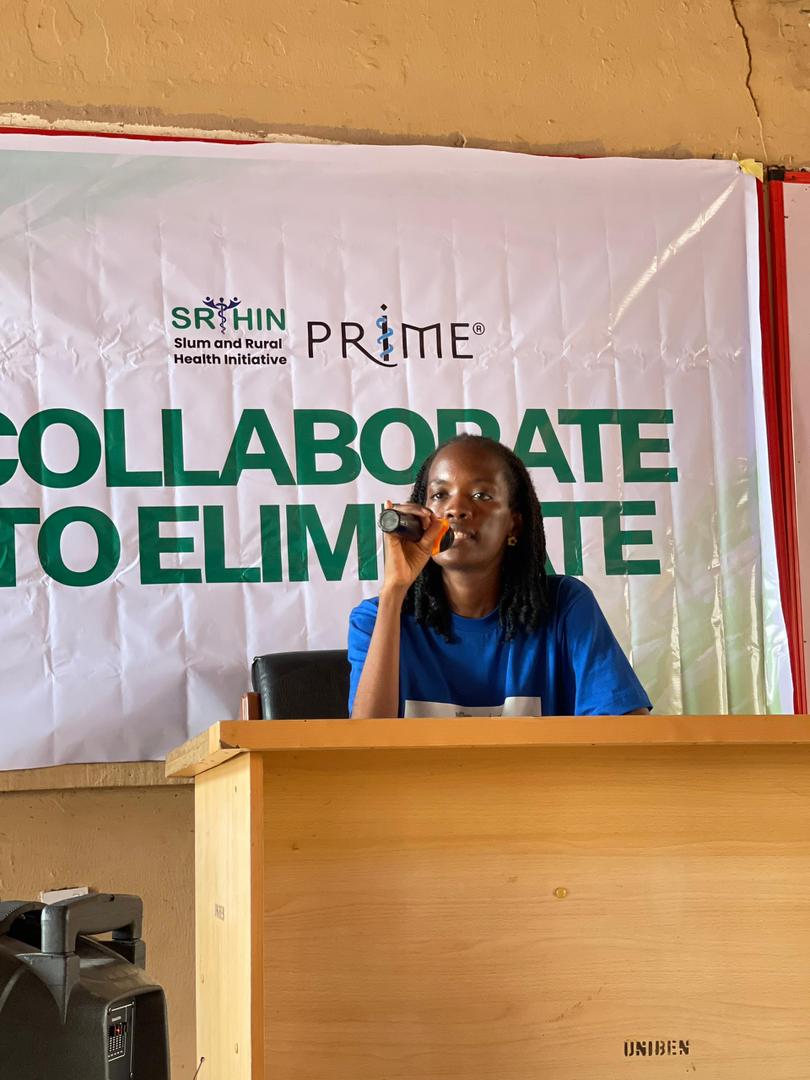
The third session moved into a university setting at the University of Benin, where SRHIN’s campus subsidiary, the Health Equity Accelerator Leadership (HEAL) Society, mobilised students for a peer-driven HIV prevention dialogue. As SRHIN’s youth and university engagement arm, the HEAL Society created a relatable environment for open conversations around testing, risk reduction, and accessible prevention pathways. Facilitated by Dr. Doroty Osahon, the session encouraged students to reflect on their health choices while strengthening their understanding of PrEP and PEP. Endline responses showed increased confidence in discussing HIV prevention within peer networks, highlighting the value of youth-led advocacy spaces.
Across all three engagements, a consistent approach was applied, beginning with baseline assessments to understand prior knowledge, followed by interactive education sessions, and concluding with endline evaluations to measure learning outcomes. This model continues to demonstrate how combining community trust, healthcare expertise, and youth-led engagement can bridge information gaps and strengthen prevention awareness across different populations.
Through the Collaborate to Eliminate project, we remain committed to expanding equitable access to HIV prevention information by meeting people where they are, in primary healthcare centres, displacement settings, and university communities. These early activities reflect the project’s growing momentum and its potential to create sustainable, community-led pathways toward HIV prevention across Nigeria.
We extend our sincere appreciation to PRIMEINC for their continued support in advancing community-driven HIV prevention through the Collaborate to Eliminate project.
For more updates, photos, and stories from the Collaborate to Eliminate project, visit: https://srhin.org/collaborate-to-eliminate/