
May 20, 2024
Teenage Pregnancy and the Role of Family Planning
- Oregbesan Peace, srhin
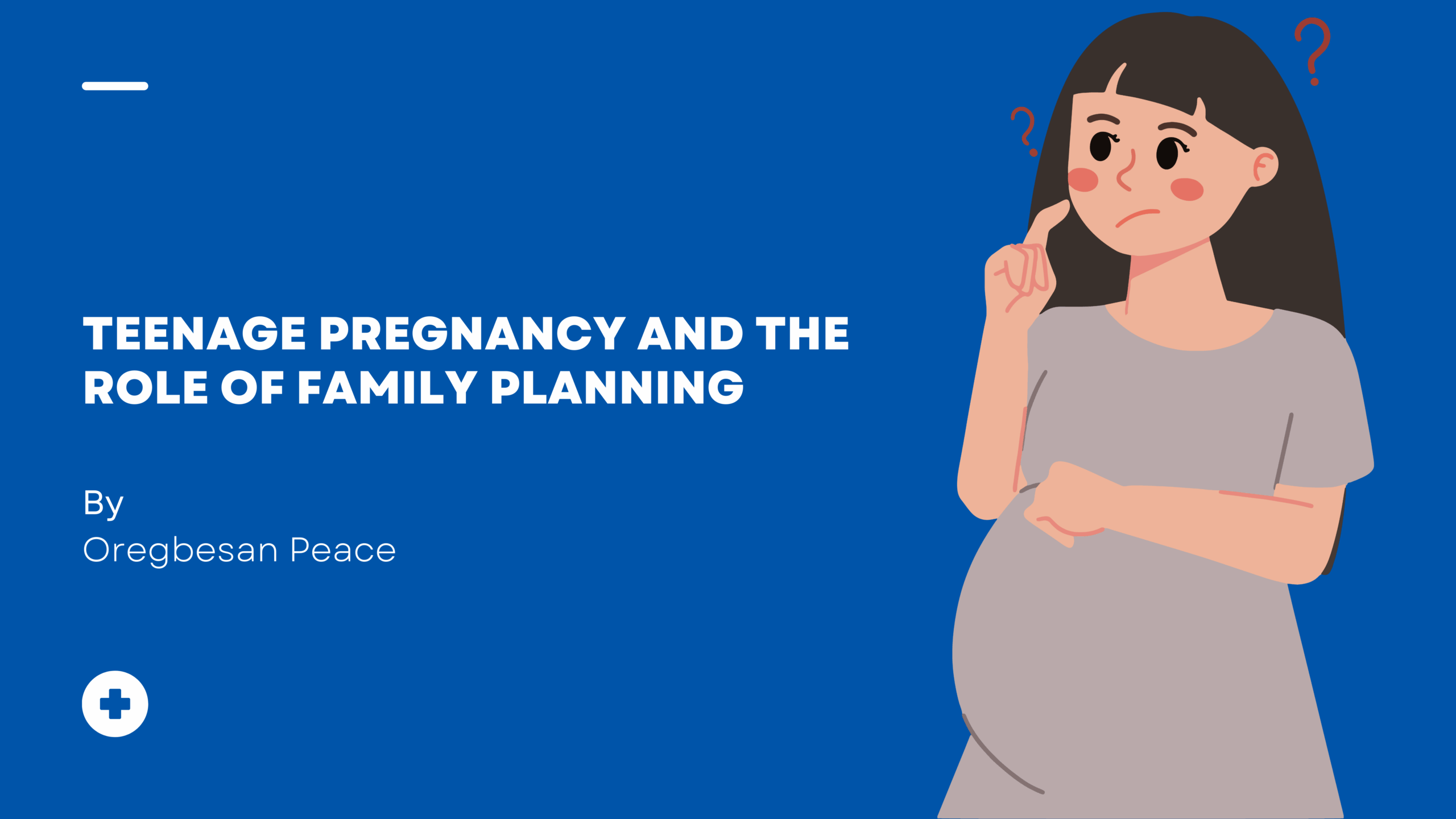
At 16, Mariam’s world changed overnight. A bright student with dreams of becoming a nurse, she found herself pregnant after a relationship she wasn’t prepared for. With limited access to information about contraception and no support system, her education was put on hold. Mariam’s story is not unique, it echoes the experience of millions of adolescents across Africa and the world who face the harsh realities of teenage pregnancy.
Teenage pregnancy remains a pressing public health and social issue. According to the World Health Organization (WHO), about 21 million girls aged 15–19 years in developing regions become pregnant each year, and nearly half of these pregnancies are unintended. Beyond statistics, each pregnancy represents a young life altered, dreams deferred, opportunities lost, and health compromised. Teenage mothers face higher risks of complications during pregnancy and childbirth, while their children are more likely to face health and developmental challenges.
This is where family planning becomes critical. Family planning is not just about preventing pregnancies; it is about giving adolescents the tools, knowledge, and support they need to make informed choices about their bodies and futures. Access to contraceptives, coupled with comprehensive sexuality education, empowers young people to delay childbearing until they are physically, emotionally, and financially ready.
The importance of family planning in addressing teenage pregnancy cannot be overstated. First, it safeguards the health of adolescents by reducing maternal and infant mortality. Second, it creates pathways for continued education, as girls who can avoid unintended pregnancies are more likely to stay in school and pursue careers. Third, it supports economic development, as educated and empowered young women are better positioned to contribute to their communities and nations.
However, barriers remain. Stigma, cultural taboos, lack of youth-friendly health services, and misinformation about contraceptives continue to silence conversations around family planning. Many adolescents, like Mariam, do not know where to turn for accurate information or safe services. Addressing these barriers requires a multi-pronged approach: policymakers must prioritize youth access to reproductive health services, communities must foster open dialogue, and parents must feel empowered to guide their children through adolescence with honesty and compassion.
Teenage pregnancy is not inevitable, it is preventable. By investing in family planning programs, expanding access to contraceptives, and promoting comprehensive sexuality education, societies can protect the health, rights, and futures of young people. Mariam’s story should not be the norm but the exception. Every teenager deserves the chance to dream freely, plan their future, and achieve their potential.
Family planning is not just a health intervention, it is a lifeline for adolescents, a safeguard for communities, and a foundation for sustainable development.
👉 What can you do? Support organizations promoting adolescent reproductive health, advocate for comprehensive sexuality education in schools, and help create an environment where every teenager feels safe to make informed choices. Together, we can reduce teenage pregnancy and unlock brighter futures for millions of young people.