Slum and Rural Health Initiative

NCDs

SRHIN Introduces NCD Prevention Awareness Initiative for University Students

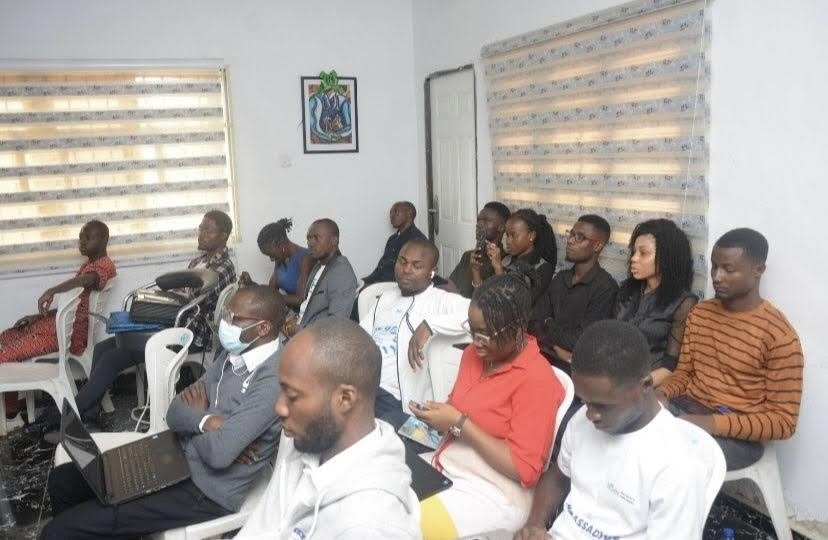
Home / News SRHIN Introduces NCD Prevention Awareness Initiative for University Students News 20 June 2024 In a bid to address the rising concern of Non-Communicable Diseases (NCDs) in Nigeria, the Slum and Rural Health Initiative (SRHIN) implemented a program to educate university students on their economic impact. This initiative equipped these students to become […]

SRHIN Introduces NCD Prevention Awareness Initiative for University Students Read More »
Many young Nigerians are dying from NCDs: How to stop this menace.

Blog Post Many young Nigerians are dying from NCDs: How to stop this menace. Peace Oregbesan In Nigeria, an escalating health crisis is occurring as Non-Communicable Diseases (NCDs) are claiming the lives of young Nigerians.NCDs such as heart disease, diabetes, cancer, and respiratory diseases which were once perceived as ailments of the elderly are now

Many young Nigerians are dying from NCDs: How to stop this menace. Read More »

Slum and Rural Health Initiative trains University of Ibadan undergraduates on Non-communicable disease advocacy.

Blog Post Slum and Rural Health Initiative trains University of Ibadan undergraduates on Non-communicable disease advocacy. Peace Oregbesan Slum and Rural Health Initiative conducted training sessions on non-communicable diseases to empower undergraduates at the University of Ibadan. They equipped undergraduates with the knowledge and skills needed to raise awareness and advocate for the prevention and

Slum and Rural Health Initiative trains University of Ibadan undergraduates on Non-communicable disease advocacy. Read More »

Slum and Rural Health educates over 300 secondary school students in Ibadan on Non-Communicable Diseases.

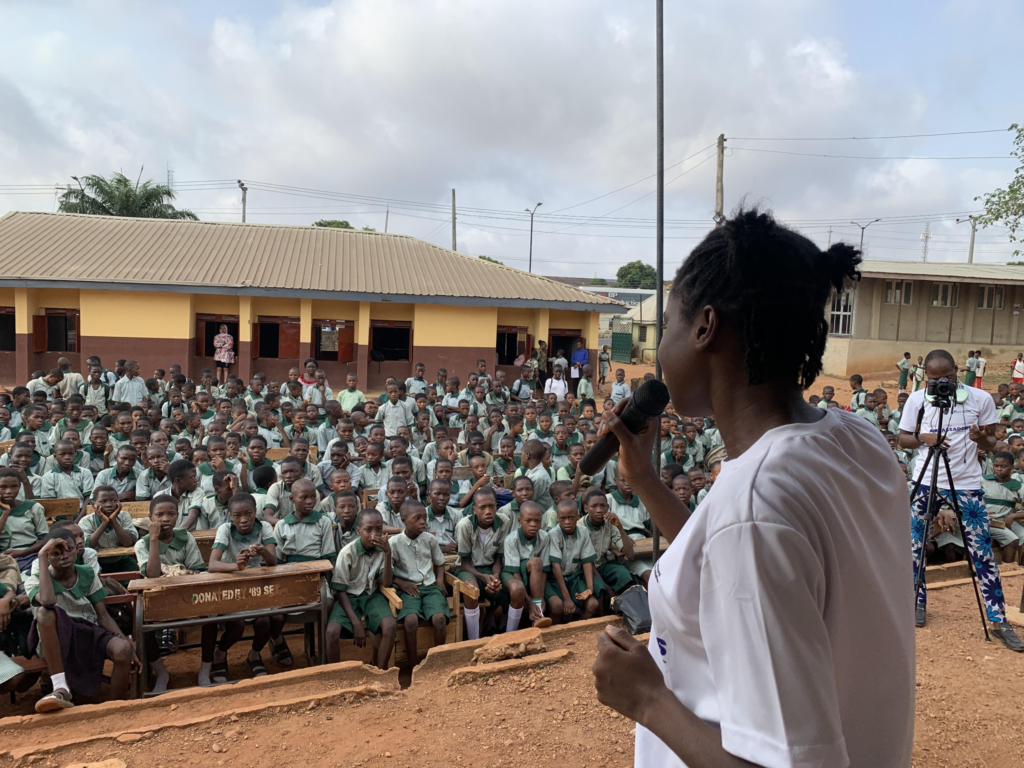
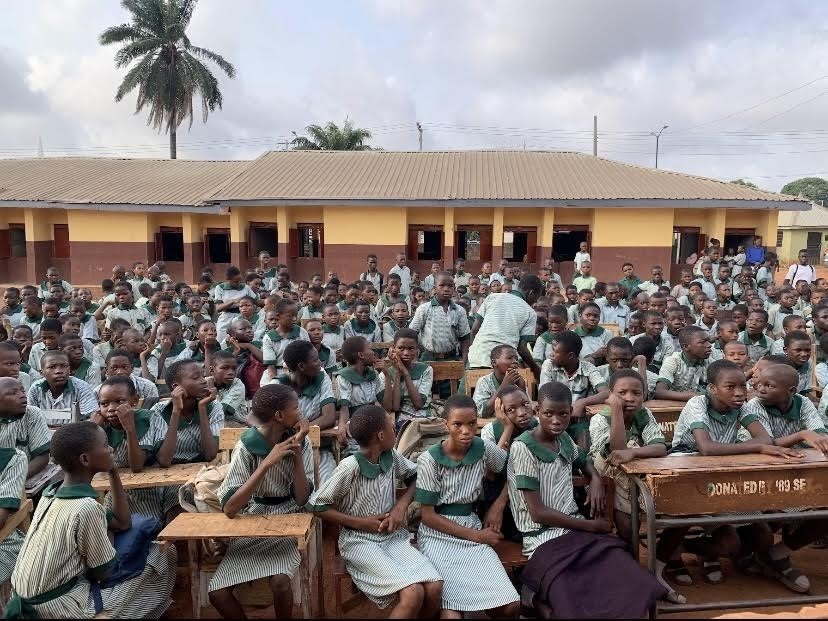
Blog Post Slum and Rural Health educates over 300 secondary school students in Ibadan on Non-Communicable Diseases. Peace Oregbesan Slum and Rural Health Initiative conducted an enlightening campaign on Non-Communicable Diseases (NCDs) in several secondary schools in Ibadan, educating over 1500 students. We raised awareness and educated young minds about the prevention and management of

Slum and Rural Health educates over 300 secondary school students in Ibadan on Non-Communicable Diseases. Read More »

A School at a Time: Slum and Rural Health InitiativeTake Campaign against NCDs to Secondary School inIbadan.

Blog Post A School at a Time: Slum and Rural Health InitiativeTake Campaign against NCDs to Secondary School inIbadan. Peace Oregbesan In our effort to tackle non-communicable diseases (NCDs) among adolescents, we launched a targeted campaign in secondary schools across Ibadan. Through the initiative “Adopt-a-School NCD Campaign” we were able to educate and empower young

A School at a Time: Slum and Rural Health InitiativeTake Campaign against NCDs to Secondary School inIbadan. Read More »

Tackling Non-Communicable Diseases in Secondary Schools: The Vital Mission of Slum and Rural Health Initiative

In the realm of public health, the prevalence of non-communicable diseases (NCDs) among adolescents is a growing concern, particularly in underprivileged communities. Slum and Rural Health Initiative (SRHIN) recognizes the urgent need to address this issue head-on, implementing targeted interventions in secondary schools to promote healthier lifestyles and prevent NCDs.

Tackling Non-Communicable Diseases in Secondary Schools: The Vital Mission of Slum and Rural Health Initiative Read More »

Raising Awareness: Preventing Non-Communicable Diseases Through School-based Outreaches

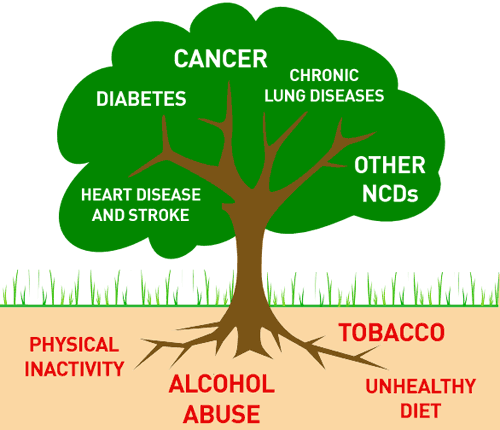
Non-communicable diseases (NCDs) have emerged as a significant global health concern, affecting millions worldwide. These diseases, fueled by factors such as unhealthy diets, lack of physical activity, and tobacco and alcohol use, account for a staggering 70% of premature deaths. Alarming statistics aside, the root causes often trace back to behaviors initiated during adolescence.

Raising Awareness: Preventing Non-Communicable Diseases Through School-based Outreaches Read More »